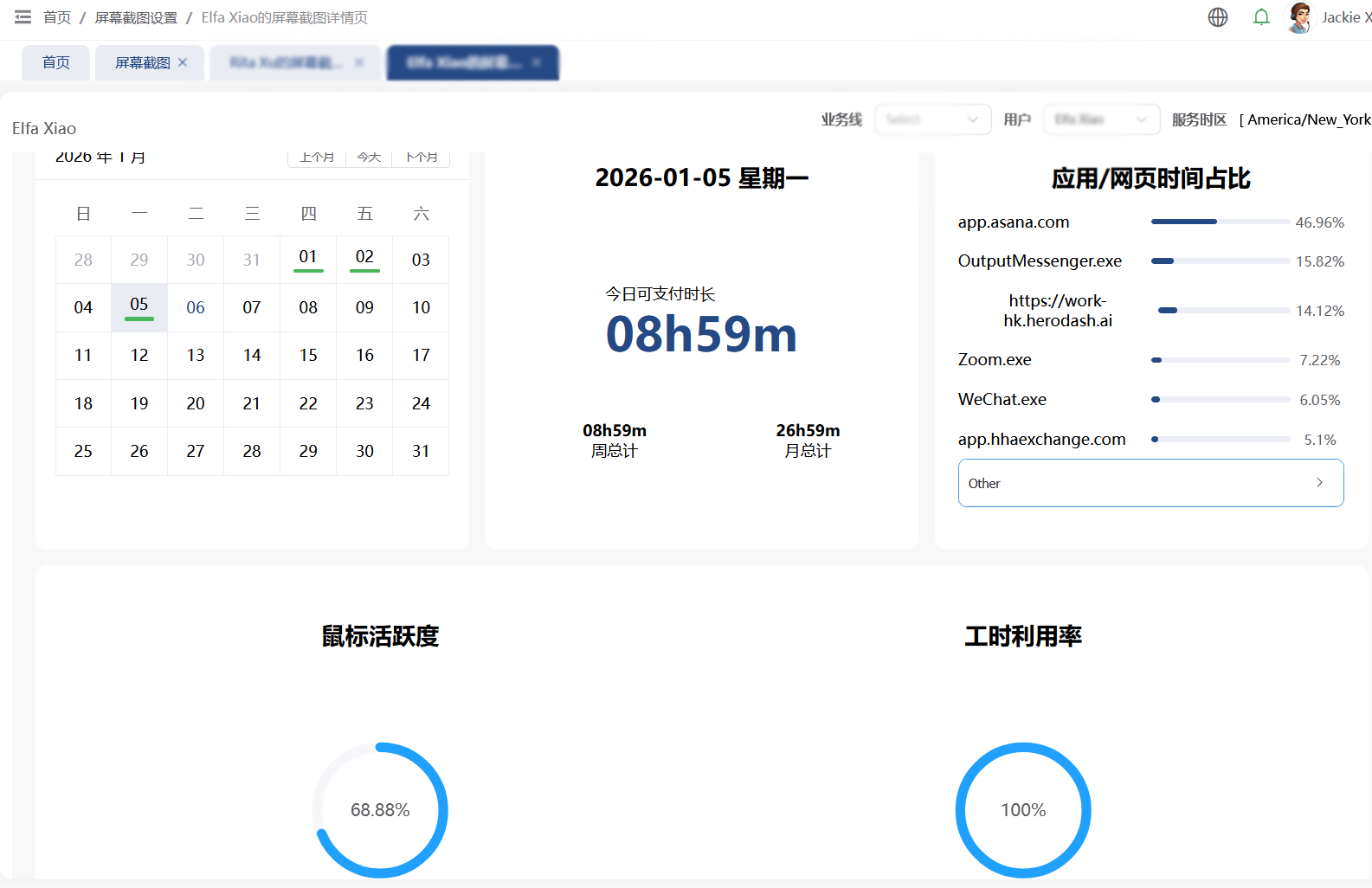
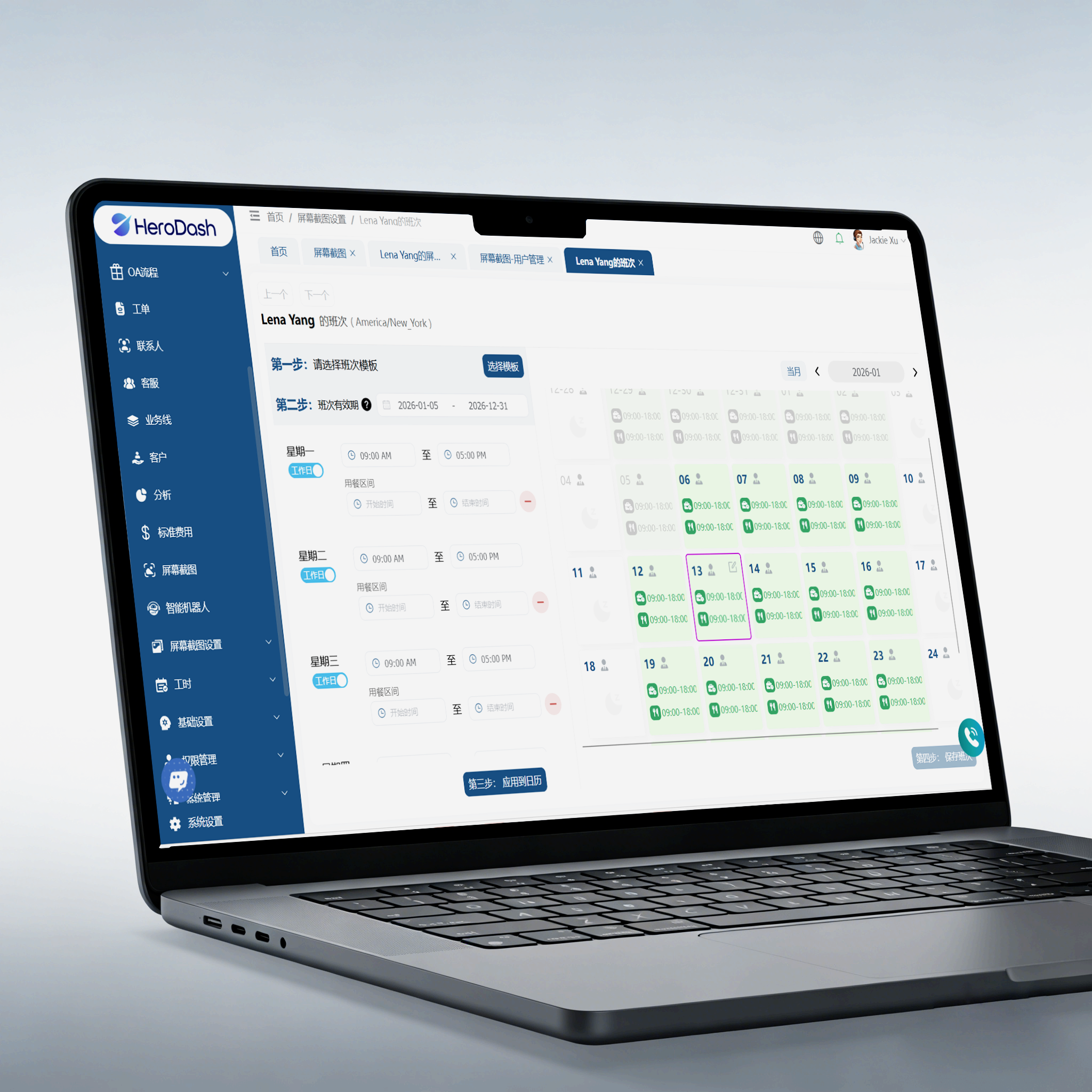
Effective shift management is the backbone of successful BPO operations. With contact centers often running 24/7 and staff spread across multiple locations, creating schedules that meet business needs while keeping employees satisfied is both an art and a science.
The Complexity of BPO Scheduling
Contact center scheduling must balance multiple competing priorities:
- Service Level Agreements: Ensuring adequate coverage to meet client SLAs
- Labor Costs: Optimizing staffing to minimize overtime and idle time
- Employee Preferences: Accommodating schedule requests to maintain morale
- Regulatory Compliance: Adhering to local labor laws regarding breaks, maximum hours, and rest periods
- Skill Matching: Ensuring the right skills are available at the right times
Template-Based Scheduling
One of the most effective approaches to BPO scheduling is template-based shift management. Rather than creating schedules from scratch each week, managers define shift templates that can be quickly applied and adjusted.
Benefits of templates include:
- Consistency in shift patterns that employees can plan around
- Faster schedule creation and modification
- Easier identification of coverage gaps
- Simplified compliance verification
Batch Operations for Efficiency
When managing hundreds or thousands of agents, individual schedule changes become impractical. Batch operations allow managers to:
- Apply shift templates to entire teams at once
- Make bulk adjustments for holidays or special events
- Quickly redistribute staff in response to volume changes
- Generate reports across multiple locations simultaneously
Cyclic Scheduling
Many BPO operations benefit from cyclic scheduling, where shift patterns repeat on a regular basis (weekly, bi-weekly, or monthly). This approach:
- Provides predictability for employees
- Simplifies long-term planning
- Reduces administrative overhead
- Facilitates fair distribution of desirable and less desirable shifts
Smart Notifications
Schedule changes are inevitable, but poor communication about changes creates problems. Automated notification systems should:
- Alert employees immediately when their schedule changes
- Provide adequate notice for significant changes
- Allow employees to acknowledge receipt
- Escalate unacknowledged changes to supervisors
Measuring Scheduling Effectiveness
Key metrics for evaluating shift management include:
- Schedule Adherence: Are employees working their assigned shifts?
- Overtime Percentage: Is overtime within acceptable limits?
- Coverage Accuracy: Are staffing levels matching demand?
- Employee Satisfaction: Are schedule-related complaints decreasing?
Conclusion
Effective shift management requires the right combination of technology, processes, and human judgment. By implementing templates, batch operations, and smart notifications, BPO companies can create schedules that serve both operational needs and employee well-being.