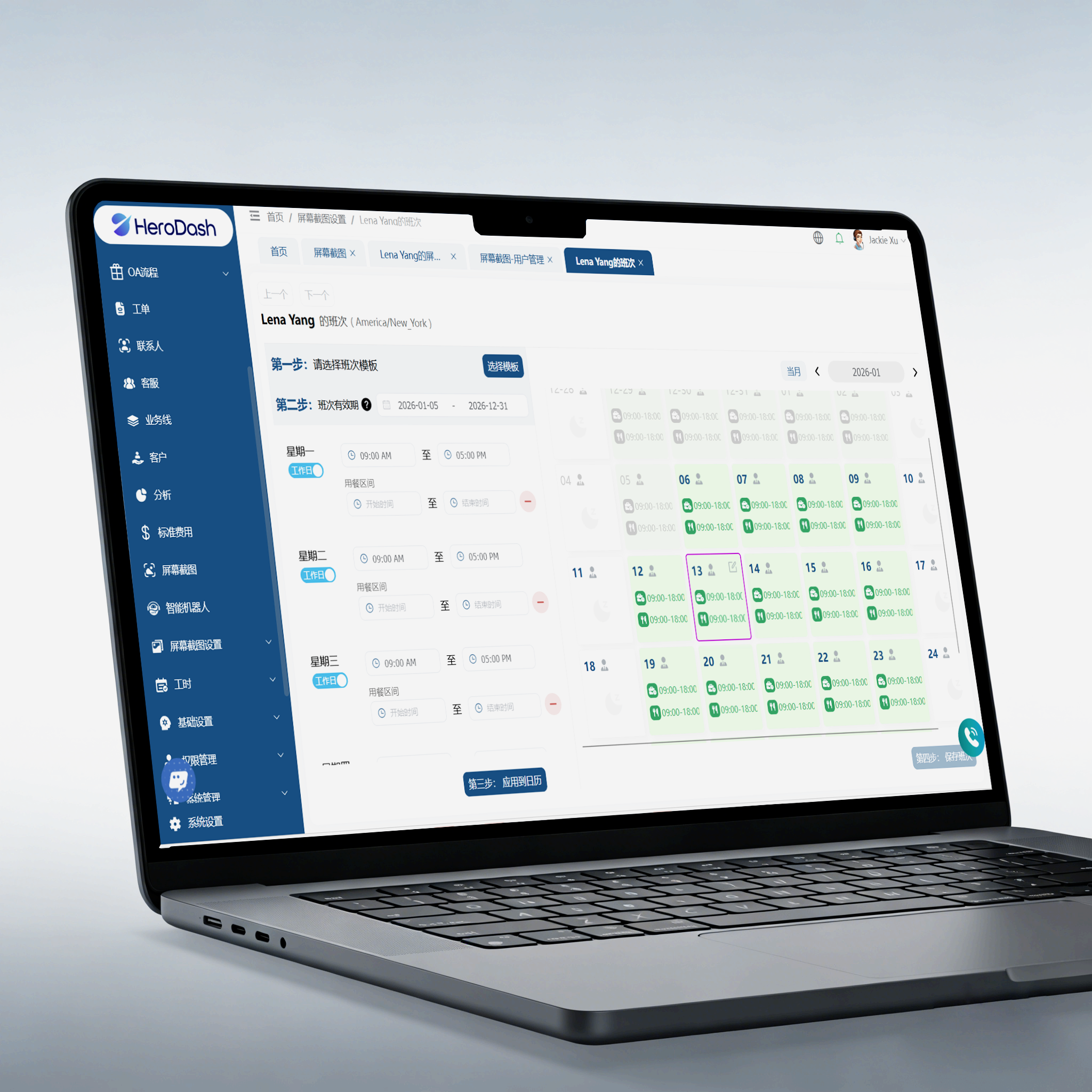
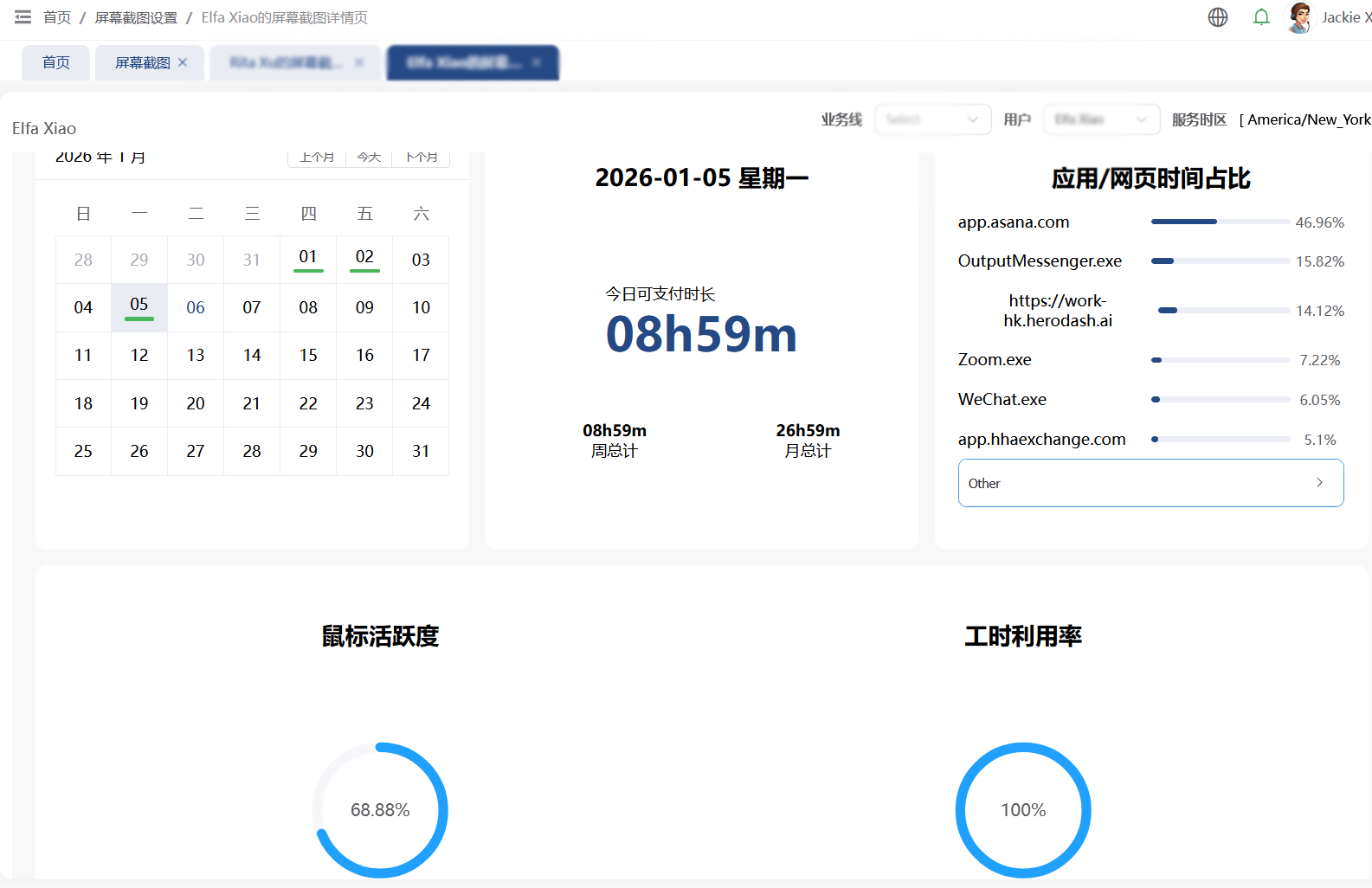
Operating a contact center that serves customers around the clock requires sophisticated time zone management. When your agents are spread across Manila, Bogotá, and Budapest, even simple tasks like scheduling a team meeting become complex puzzles.
The Time Zone Challenge
Consider a typical global BPO operation: Customer service for a US-based e-commerce company requires coverage from 6 AM to 10 PM Eastern Time. To provide this coverage cost-effectively, the company employs agents in the Philippines (GMT+8), Colombia (GMT-5), and Romania (GMT+2).
Each location has its own:
- Local labor laws and working hour restrictions
- Public holidays and observances
- Peak productivity hours
- Daylight saving time adjustments (or lack thereof)
Key Strategies for Time Zone Success
1. Centralized Time Reference Establish a single reference time zone (typically UTC or the client's primary time zone) for all scheduling and reporting. This creates a common language for discussing shifts and deadlines across locations.
2. Automated Time Conversion Manual time zone calculations are error-prone. Modern workforce management systems automatically convert times for display in each user's local time zone while storing all data in a consistent format.
3. Holiday Management A comprehensive holiday calendar that accounts for local observances in each operating location is essential. What's a regular workday in Manila might be a national holiday in Colombia.
4. Shift Handoff Protocols When coverage passes from one time zone to another, clear handoff procedures ensure continuity. This includes documentation standards, escalation paths, and communication protocols.
Reporting Across Time Zones
Attendance and productivity reporting becomes complex when teams span multiple time zones. Best practices include:
- Normalize to a single time zone for comparative reporting
- Provide local time context so managers understand when work actually occurred
- Account for date boundaries when a shift spans midnight in one or more time zones
- Track actual vs. scheduled hours in both local and reference time
Technology Requirements
Effective global time zone management requires technology that:
- Stores all timestamps in UTC
- Displays times in user-preferred local format
- Handles daylight saving transitions automatically
- Supports location-specific holiday calendars
- Provides timezone-aware reporting and analytics
Conclusion
Managing a global contact center workforce is inherently complex, but the right processes and technology can make it manageable. By establishing clear standards, automating conversions, and providing timezone-aware tools, BPO companies can operate seamlessly across any number of locations.