Employee screen monitoring has become a contentious topic in the modern workplace. As more companies adopt remote and hybrid work models, the desire to maintain visibility into employee activities has grown. However, this must be balanced against legitimate privacy concerns and the need to maintain employee trust.
The Evolution of Screen Monitoring
Early screen monitoring tools were often invasive and heavy-handed. Constant surveillance, keystroke logging, and webcam monitoring created toxic work environments that damaged morale and increased turnover. Today's best practices look very different.
Privacy-First Monitoring Approaches
Modern workforce management solutions have adopted a privacy-first philosophy that provides meaningful oversight without crossing ethical boundaries. Here's what that looks like in practice:
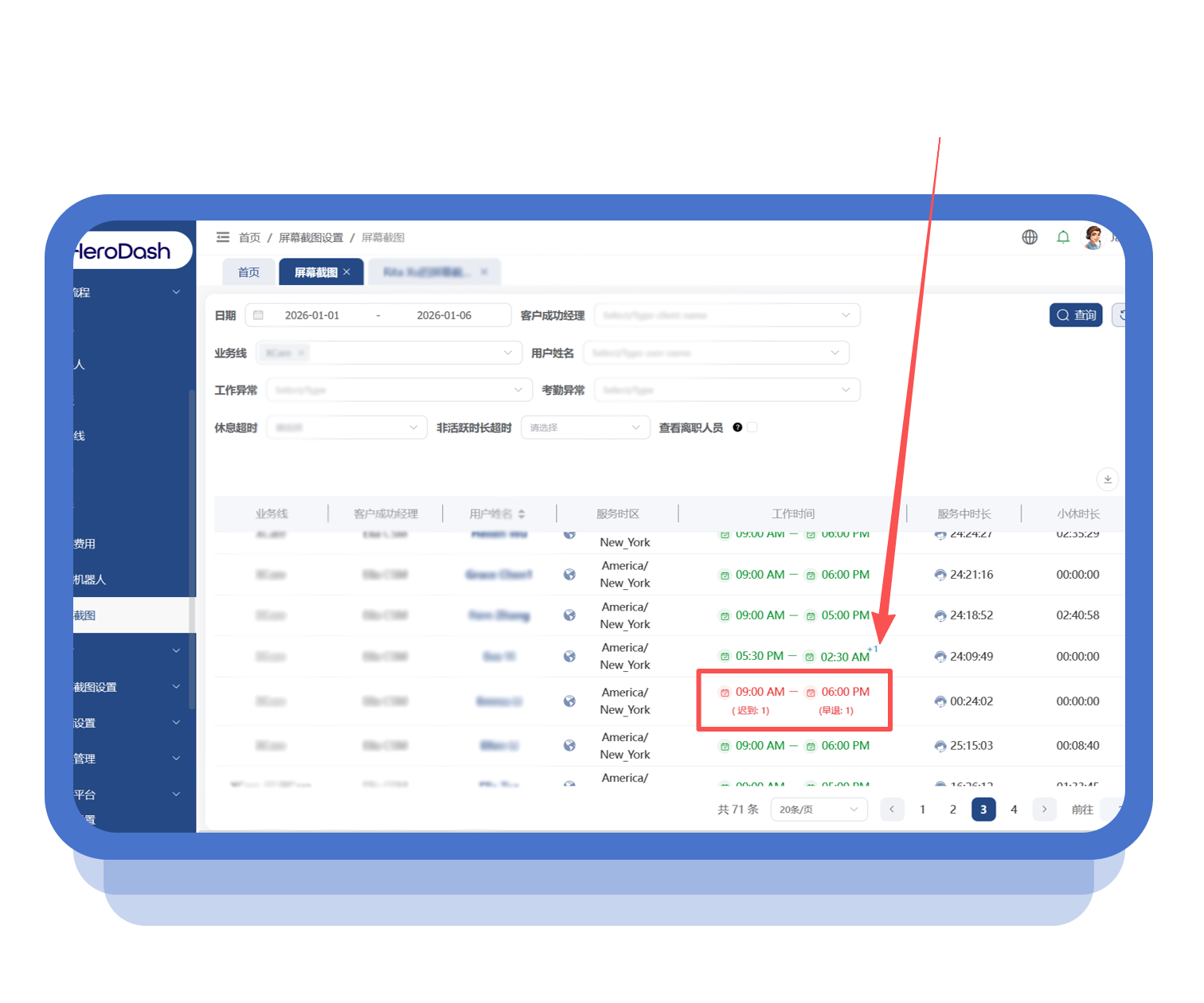
Smart Screenshot Intervals: Rather than constant recording, periodic screenshots at random intervals (typically 2-5 minutes) provide work verification without creating a surveillance state. The randomization prevents gaming the system while reducing the volume of captured data.
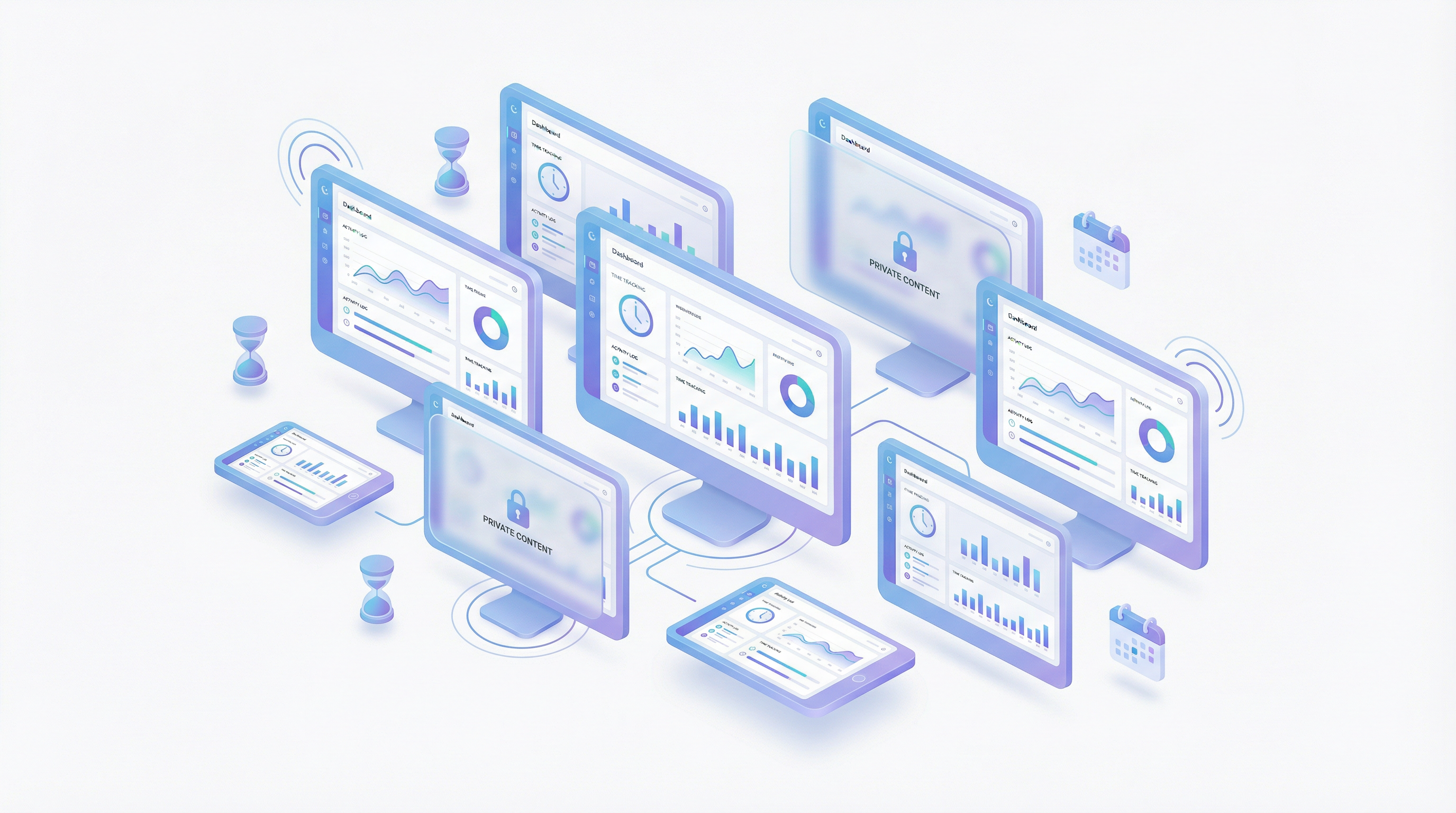
Automatic Blurring: Advanced systems can automatically blur sensitive content in screenshots—personal emails, banking information, or private messages—while still capturing enough context to verify work activity. This protects both employee privacy and company liability.
Configurable Retention: Data minimization principles dictate that monitoring data should only be retained as long as necessary. Leading solutions allow companies to configure automatic deletion schedules, typically 30-90 days for routine data.
Building Trust Through Transparency
The most successful monitoring implementations share several characteristics:
- Clear Communication: Employees understand exactly what is being monitored and why
- Consistent Application: Monitoring policies apply equally to all team members
- Purpose Limitation: Data is used only for stated purposes, not for punitive surveillance
- Employee Access: Workers can view their own monitoring data and raise concerns
The Business Case for Ethical Monitoring
Companies that implement monitoring ethically often see better outcomes than those who take a heavy-handed approach. Employee trust leads to higher engagement, lower turnover, and ultimately better productivity. The goal isn't to catch people doing wrong—it's to create accountability that benefits everyone.
Conclusion
Screen monitoring, when implemented thoughtfully, can be a valuable tool for managing distributed teams. The key is approaching it as a partnership with employees rather than a surveillance system. By prioritizing privacy, transparency, and trust, companies can achieve the visibility they need while maintaining a positive work environment.