
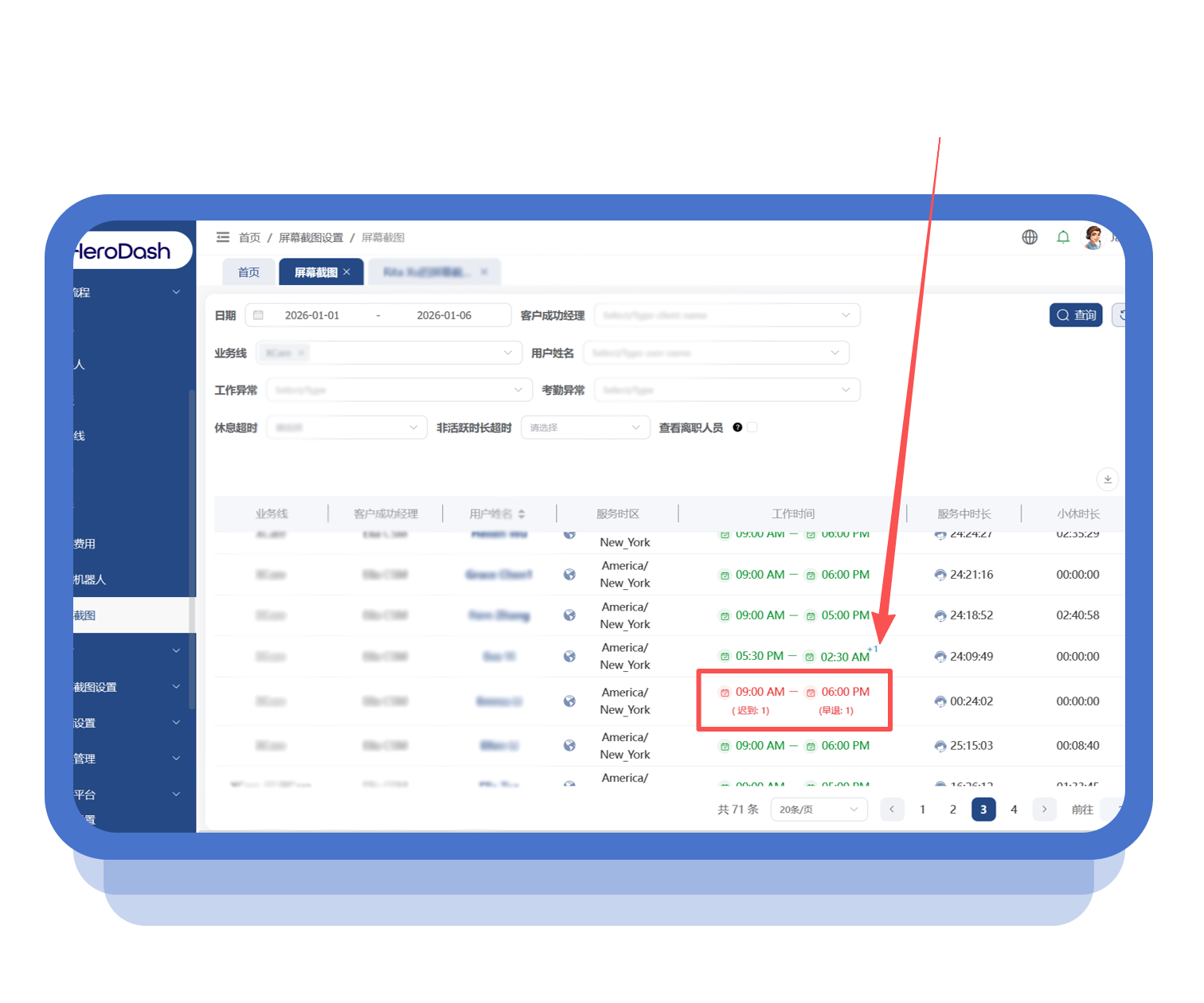
No attendance system is perfect, and no employee's life is entirely predictable. Technical glitches, family emergencies, and honest mistakes all create situations where attendance records don't reflect reality. A well-designed exception handling process is essential for maintaining both accuracy and employee trust.
Why Exception Handling Matters
Without a clear appeal process:
- Employees feel powerless when legitimate issues occur
- Managers spend excessive time on ad-hoc corrections
- Inconsistent handling creates perceptions of unfairness
- Payroll errors go unresolved
- Legal and compliance risks increase
Types of Attendance Exceptions
Technical Issues
- System downtime preventing clock-in
- Network problems affecting remote workers
- Device malfunctions
- Software bugs
Legitimate Absences
- Medical emergencies
- Family emergencies
- Transportation disruptions
- Jury duty or legal obligations
Administrative Errors
- Incorrect schedule assignments
- Manager-approved changes not recorded
- System synchronization delays
- Data entry mistakes
Designing the Appeal Process
Clear Submission Channels Employees should have an obvious, accessible way to submit appeals. This might be:
- A dedicated form in the attendance system
- An email address monitored by HR
- A self-service portal with tracking
Required Information Appeals should capture:
- Date and time of the exception
- Type of exception
- Explanation of circumstances
- Supporting documentation (if applicable)
- Requested correction
Defined Review Workflow Establish clear responsibilities:
- Who reviews which types of appeals?
- What is the expected response time?
- Who has authority to approve corrections?
- How are escalations handled?
Documentation and Audit Trail Every appeal should be documented with:
- Original submission
- Review notes
- Decision and rationale
- Any corrections made
- Timestamps throughout
Balancing Fairness and Accountability
The appeal process should be:
- Accessible: Easy for employees to use
- Timely: Resolved quickly to avoid payroll impacts
- Consistent: Similar situations treated similarly
- Documented: Creating records for compliance
- Accountable: Not a loophole for abuse
Preventing Appeal Abuse
While most appeals are legitimate, some employees may try to game the system. Safeguards include:
- Tracking appeal frequency by employee
- Requiring documentation for repeated issues
- Escalating patterns to HR
- Setting reasonable limits on retroactive corrections
Continuous Improvement
Analyze appeal data to identify:
- Common technical issues to fix
- Policy gaps creating confusion
- Training needs for managers
- System improvements to reduce exceptions
Conclusion
A thoughtful exception handling process demonstrates that the company values both accuracy and fairness. By making it easy to report legitimate issues while maintaining appropriate controls, BPO companies can build trust while ensuring reliable attendance data.