
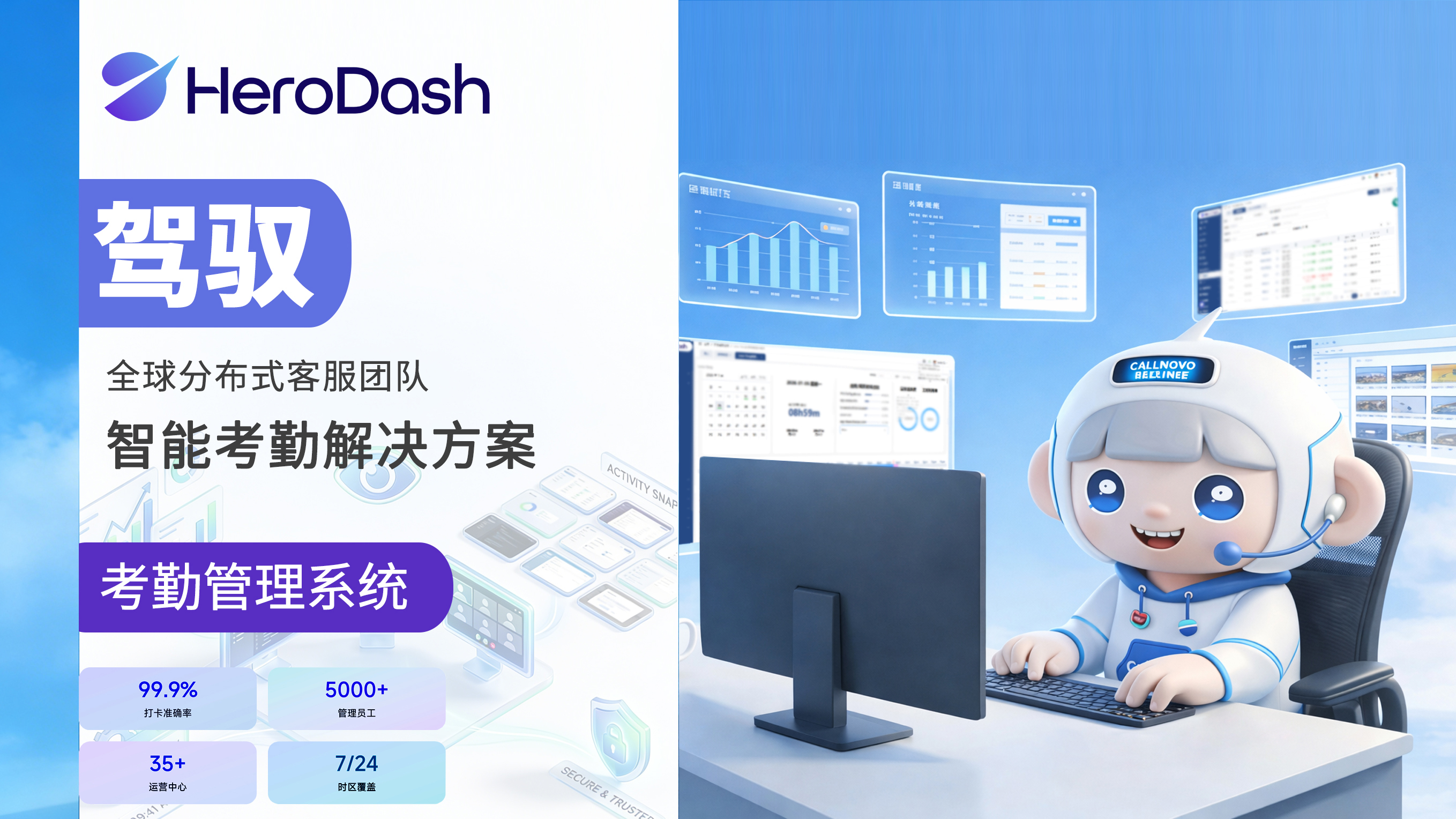
The workforce management landscape is evolving rapidly, driven by advances in artificial intelligence, automation, and changing work patterns. Understanding these trends helps BPO companies prepare for the future while making smart technology investments today.
AI-Powered Scheduling
Traditional scheduling relies on rules and historical patterns. AI-powered systems go further:
- Demand Prediction: Machine learning models analyze historical data, seasonal patterns, marketing calendars, and external factors to predict staffing needs with unprecedented accuracy.
- Optimal Assignment: AI considers skills, preferences, fairness, and costs simultaneously to create schedules that would take humans hours to develop.
- Real-Time Adjustment: Systems continuously monitor actual vs. predicted demand and suggest adjustments in real-time.
Intelligent Monitoring
The future of employee monitoring is smart, not surveillance:
- Anomaly Detection: AI identifies unusual patterns that warrant attention without requiring constant human oversight.
- Contextual Understanding: Systems learn what "normal" looks like for each employee and role, reducing false positives.
- Proactive Alerts: Rather than reactive reporting, intelligent systems flag potential issues before they become problems.
Predictive Analytics
Moving beyond descriptive analytics to prediction:
- Turnover Prediction: Identifying employees at risk of leaving based on attendance patterns, engagement signals, and other factors.
- Performance Forecasting: Predicting how schedule changes will impact service levels and productivity.
- Capacity Planning: Long-term workforce planning based on growth projections and market trends.
Automation of Routine Tasks
Many workforce management tasks are ripe for automation:
- Approval Workflows: Routine requests approved automatically based on policy rules.
- Compliance Checking: Automatic verification of labor law compliance before schedules are published.
- Report Generation: Scheduled reports delivered without manual intervention.
- Data Synchronization: Seamless integration between systems without manual data entry.
The Human Element
Despite technological advances, human judgment remains essential:
- Exception Handling: Complex situations require human understanding and empathy.
- Strategic Decisions: Technology informs but doesn't replace leadership decisions.
- Employee Relations: Building trust and culture requires human connection.
- Ethical Oversight: Ensuring AI systems operate fairly and transparently.
Preparing for the Future
BPO companies should:
- Invest in Data: AI systems require quality data to function effectively.
- Build Integration Capabilities: Future systems will be more connected, not less.
- Develop AI Literacy: Managers need to understand AI capabilities and limitations.
- Maintain Flexibility: Technology changes rapidly; avoid lock-in to rigid systems.
- Prioritize Ethics: Establish guidelines for responsible use of AI in workforce management.
Conclusion
The future of workforce management is intelligent, automated, and human-centered. By embracing emerging technologies while maintaining focus on employee experience, BPO companies can build operations that are both efficient and humane. The winners will be those who view technology as an enabler of better human outcomes, not a replacement for human judgment.